

As Africa strengthens its pharmaceutical systems, verifying every medicine – from manufacturer to patient – is becoming increasingly important. At AfriSummit 2026, held on 28–29 September, KAPI Chairperson Dr James Mokoro brought this patient-safety imperative to the fore, calling for harmonised standards, interoperable systems and collective action to protect the integrity of the continent’s medicines supply chain.
A shared threat demands a shared response
During a panel discussion on 28 September, Dr Mokoro addressed one of the region’s most pressing healthcare challenges: counterfeit and falsified medicines. He emphasised that the threat reaches across the entire healthcare ecosystem and cannot be tackled by any one institution acting alone.
Protecting patients, he noted, requires regulators, governments, manufacturers, distributors and the wider pharmaceutical industry to work together. Dr Mokoro called for harmonised approaches to product identification, reporting and traceability across African markets, warning that differing national requirements create practical challenges for manufacturers serving multiple countries. He also underscored the importance of robust information technology systems that can integrate seamlessly with government platforms to track and verify pharmaceutical products.
Turning traceability into a patient-safety standard
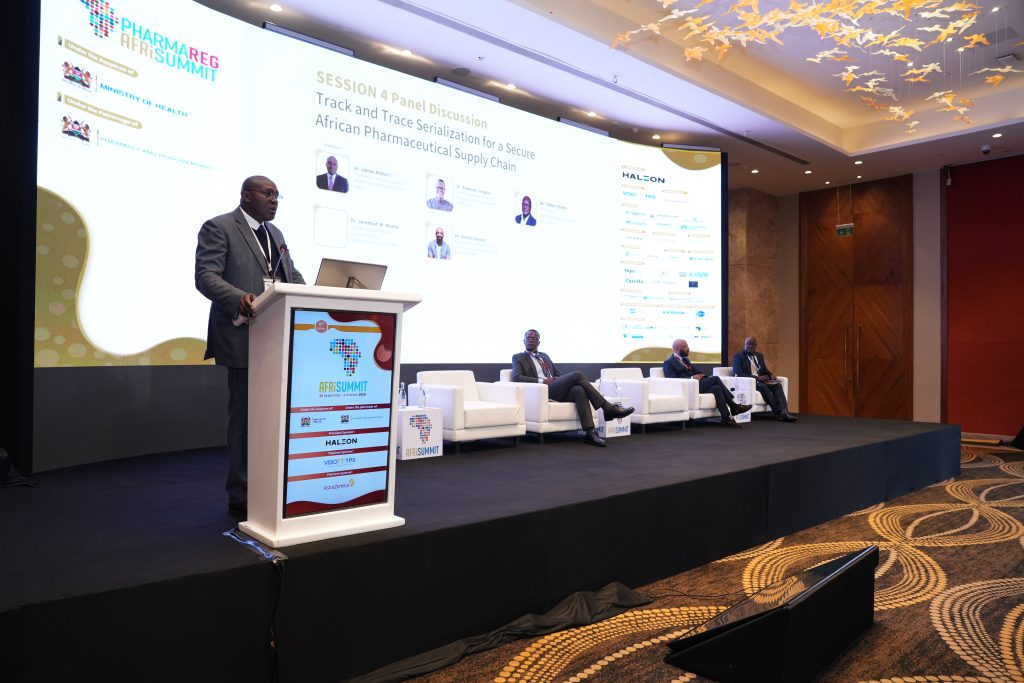
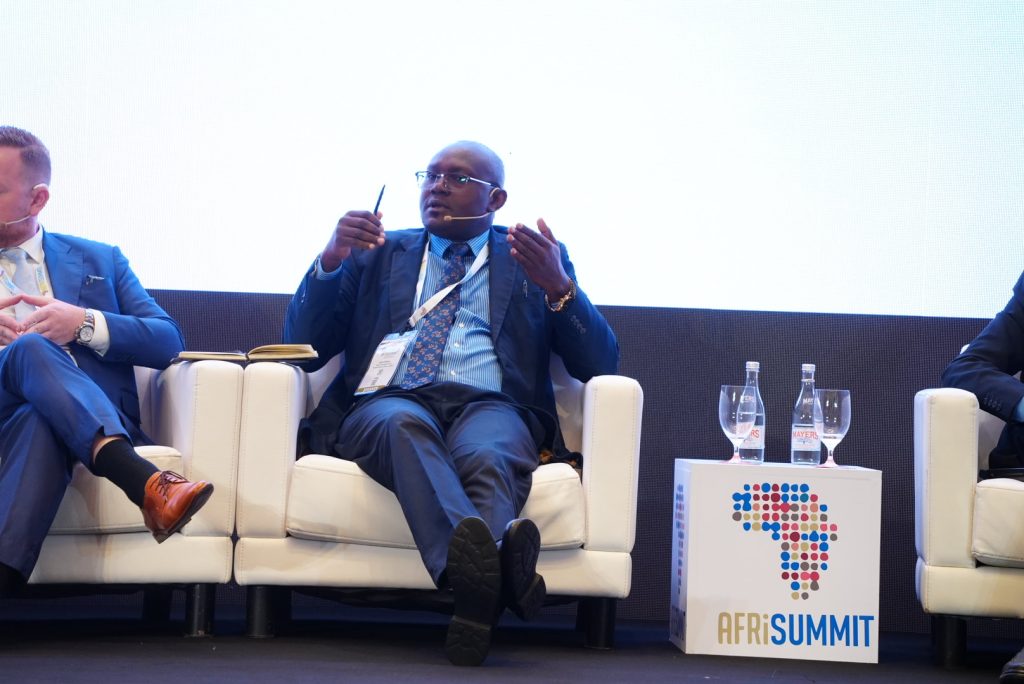
On 29 September, Dr Mokoro moderated a dedicated session, “Track and Trace Serialization for a Secure African Pharmaceutical Supply Chain.” The discussion examined progress and persistent barriers to implementing serialization systems, reinforcing a clear message: traceability is not a regulatory luxury, but a critical public health and patient-safety requirement.
Participants highlighted infrastructure and human-resource constraints, data-quality gaps, and the complexity of connecting regulatory platforms with private-sector databases across vast geographical areas. Regional collaboration emerged as essential to overcoming these barriers. Harmonised standards and interoperable systems can support timely information-sharing and product verification across Africa’s increasingly interconnected borders.
Keeping patients at the centre
In his closing remarks, Dr Mokoro returned the conversation to its central purpose: protecting patients. Although track-and-trace systems demand substantial investment in technology, infrastructure and skills, their true value is measured in safer care. Ensuring that patients can access safe, effective and quality-assured medicines, he stressed, far outweighs the quantifiable cost of implementation.
For KAPI, the path forward is clear: strengthen collaboration, align standards and build systems that can communicate across institutions and borders. By advancing serialization and end-to-end traceability, Africa can reinforce confidence in its healthcare systems and medicines supply chain – ensuring that every step ultimately delivers what matters most: greater protection for patients.